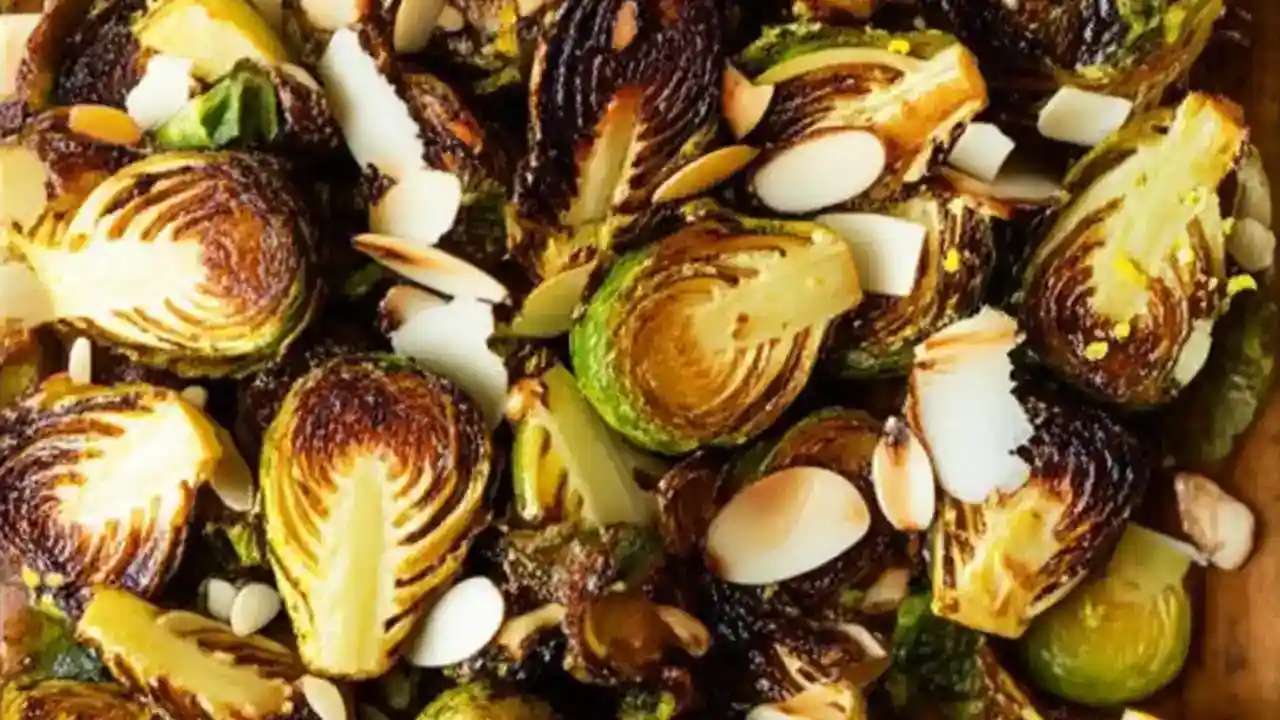
The Quest for Perfectly Crispy Brussels Sprouts: Restaurant Quality at Home
Once relegated to the realm of bland, boiled side dishes, Brussels sprouts have undergone a remarkable culinary transformation. Today, crispy oven-roasted Brussels sprouts are a menu staple in top restaurants and a beloved accompaniment for home cooks. The secret? Unlocking their full flavor potential through high heat and careful preparation, turning them into irresistible, caramelized bites that are anything but boring. If you've ever yearned for those perfectly crispy Brussels sprouts you find at your favorite eatery, but consistently end up with soggy, uninspiring results at home, you're in the right place. We're about to reveal the no-fail techniques that will elevate your sprout game from mundane to magnificent, making them the star of any meal.
Many home cooks struggle to replicate restaurant-quality crispiness, often due to common misconceptions or overlooked details. The key isn't complicated equipment or exotic ingredients; it's about understanding the science of roasting and creating the optimal environment for caramelization and crisping. Forget about boiling or steaming; those methods only invite sogginess. Our focus is on achieving that coveted golden-brown exterior and tender interior that makes crispy Brussels sprouts so utterly addictive.
Why High Heat is Non-Negotiable for Crispy Brussels Sprouts
One of the most critical factors in achieving truly crispy Brussels sprouts is the oven temperature. Forgetting the timid 350-375°F settings often recommended for other dishes, Brussels sprouts demand a fiery environment. We're talking 450°F (230°C). This isn't just an arbitrary number; it's the temperature sweet spot that facilitates the Maillard reaction – the chemical process responsible for browning and developing complex flavors – before the sprouts have a chance to release too much moisture and steam themselves. If your oven temperature is too low, the sprouts will essentially steam in their own juices, resulting in a limp, soggy texture rather than a crisp, caramelized one.
To maximize crispiness, it’s not enough to just set your oven to 450°F. Ensure your oven is fully preheated to that temperature, and for an even better head start, consider placing your empty baking sheet in the oven while it preheats. A hot baking sheet provides immediate high heat contact with the sprouts, kickstarting the browning process the moment they hit the pan. This direct, intense heat is what prevents steaming and encourages that beautiful, blistered, and crunchy exterior we all crave from crispy Brussels sprouts.
The Importance of Spacing and a Single Layer
Imagine a bustling subway car versus a spacious open field. Brussels sprouts, like people, need their space to thrive, especially when aiming for crispiness. Overcrowding your baking sheet is a common pitfall that will inevitably lead to steamed, rather than roasted, sprouts. When packed too tightly, the sprouts release moisture, and this moisture gets trapped, creating a steamy microclimate around them. This prevents the necessary airflow that allows moisture to evaporate and the exteriors to crisp up.
The golden rule for truly crispy Brussels sprouts is to arrange them in a single layer, cut side down, with ample space between each sprout. Aim for at least half an inch to an inch of breathing room. The flat cut side, when placed directly against the hot baking surface, allows for maximum caramelization and browning, leading to those coveted crispy edges and a delicious, slightly charred flavor. If you have a large batch of sprouts, do not hesitate to use two baking sheets. It's far better to have two pans of perfectly crispy Brussels sprouts than one overcrowded pan of soggy ones.
The Hidden Culprit: Why Your Oven Companions Matter
This is an expert tip that many home cooks overlook, often learning it the hard way through disappointing results: avoid roasting other foods in the oven simultaneously with your Brussels sprouts. While it might seem efficient to multitask your oven, other dishes, especially those with high moisture content, can release steam into the oven cavity. This added moisture significantly compromises the dry, high-heat environment that your Brussels sprouts need to achieve their signature crispiness. The ambient humidity within the oven can turn your sprouts from crisping to steaming, resulting in a less-than-ideal texture.
To ensure your crispy Brussels sprouts reach their full potential, dedicate the oven solely to them during their roasting time. This allows for optimal air circulation and ensures the hot, dry air can work its magic, drawing out moisture and creating that irresistible crispy exterior. Think of it as giving your sprouts VIP treatment – they deserve the oven all to themselves for a short while.
The Silicone Mat Controversy: A Crispy Sprout Slayer?
While silicone baking mats are often touted for their non-stick properties and easy cleanup, they can surprisingly be a hindrance when the goal is maximum crispiness, particularly for vegetables like Brussels sprouts. Silicone mats act as an insulating layer between your food and the hot baking sheet. This insulation prevents direct heat transfer, which is crucial for encouraging the Maillard reaction and achieving that deep, crusty caramelization. Instead of crisping, vegetables roasted on silicone mats tend to be softer and, yes, often a bit soggier due to this reduced direct contact with the heat source.
For the absolute crispiest results, we recommend two alternatives:
- Parchment Paper: This is an excellent choice. It still offers easy cleanup by preventing food from sticking to the pan, but it's much thinner and allows for better heat transfer than silicone mats. The sprouts still get plenty of direct heat from the metal pan beneath, promoting browning and crispiness.
- Oiled Baking Sheet: If you don't have parchment paper, a well-oiled bare metal baking sheet is your next best bet. The direct contact with the hot metal surface is ideal for crisping. Just be sure to use enough oil to prevent sticking, and ensure your pan is clean to avoid any burnt residue from previous cooking. A good quality, heavy-duty baking sheet also conducts heat more evenly and efficiently than thinner, flimsier ones.
The choice between parchment and direct oiling often comes down to personal preference for cleanup ease, but both will yield superior crispy Brussels sprouts compared to a silicone mat.
Beyond the Basics: Essential Ingredients & Preparation Tips
While technique is paramount, starting with the right ingredients and proper preparation lays the foundation for success. The beauty of truly crispy Brussels sprouts lies in their simplicity, allowing the vegetable's natural flavor to shine.
Ingredient Focus: Quality Matters
- Fresh Brussels Sprouts: Look for firm, bright green sprouts that feel heavy for their size. Avoid any that are yellowing, soft, or have black spots. Larger sprouts can be halved or even quartered, while smaller ones can simply be halved.
- Extra-Virgin Olive Oil: A good quality EVOO not only helps to coat the sprouts for even browning but also adds a rich, fruity flavor. It's the fat that conducts the heat and contributes to the crispy exterior. Don't be shy with the oil; aim for a light, even coating.
- Kosher Salt: Unlike finer table salt, kosher salt's coarser texture allows for more even distribution and seasoning without making the sprouts overtly salty. It also helps draw out moisture, aiding in crispiness. Freshly ground black pepper is also a welcome addition.
- Optional Glaze (Balsamic & Honey): While perfectly crispy Brussels sprouts are delicious on their own, a simple glaze can elevate them further. A mix of good quality balsamic vinegar and a touch of honey (or maple syrup for a vegan option) adds a delightful sweet and tangy counterpoint. This glaze is typically added *after* roasting to prevent it from burning in the high heat.
Preparation: The Unsung Heroes of Crispiness
Before any roasting can begin, proper preparation is key:
- Trim and Halve: Trim the very end of the stem, removing any tough or discolored outer leaves. For uniformity and optimal cut-side-down placement, cut each sprout in half through the stem. If sprouts are particularly large, you might quarter them.
- Wash and Thoroughly Dry: This step is often overlooked but absolutely critical. After washing your sprouts, dry them meticulously. Use a salad spinner, then lay them out on a clean kitchen towel or paper towels to air dry for a bit, or pat them thoroughly. Any residual moisture will steam the sprouts instead of crisping them.
- Toss Evenly: In a large bowl, toss the dried sprouts with olive oil and kosher salt until every piece is lightly coated. Ensure they are not swimming in oil, but rather evenly glistening.
By following these steps, you're setting your crispy Brussels sprouts up for success before they even hit the oven.
Conclusion: Master the Art of Crispy Brussels Sprouts
Achieving truly crispy Brussels sprouts isn't a kitchen mystery; it's a science. By understanding and implementing these core principles – roasting at high heat (450°F), ensuring generous spacing in a single layer, dedicating the oven solely to your sprouts, and steering clear of silicone baking mats – you can consistently produce restaurant-quality results in your own kitchen. Remember to start with fresh, properly dried sprouts, seasoned simply with good olive oil and kosher salt. Experiment with an optional balsamic glaze or other flavorings like garlic, chili flakes, or a sprinkle of Parmesan post-roast to customize your perfect side dish. Embrace these techniques, and you'll unlock a world of flavor, transforming once-maligned sprouts into an eagerly anticipated, delightfully crispy addition to any meal.
